


You're standing in the toy aisle or scrolling late at night, and every box claims it'll turn your child into an engineer, coder, or scientist. Most of them won't. The question for stem kits for 9 year olds isn't whether the box looks impressive, it's whether your child can start it, finish it, and want to pull it out again next weekend.
That's the standard I use as a parent and former classroom educator. Age 9 is a sweet spot, kids can handle multi-step builds, but they still need clear structure, quick feedback, and a kit that doesn't collapse into frustration the moment one piece goes missing or one wire gets flipped. Pick well, and you get confidence, problem-solving, and real replay value. Pick badly, and the kit ends up in a drawer with the half-finished puzzles and missing screws.
If you want the broader case for hands-on learning at this age, Playz's take on the benefits of hands-on learning lines up with what I've seen in real homes and classrooms.
Why Picking the Right STEM Kit Matters at Age 9
I've watched a lot of parents buy with hope and regret in the same shopping trip. The child opens the box, loves the idea, then gets stuck because the instructions assume too much, the parts are fiddly, or the kit is really a disguised adult project. At nine, kids are ready for challenge, but they still need the kind of build that rewards effort fast. That's the difference between a good Saturday afternoon and a tearful rescue mission at the kitchen table.
Age 9 is a real turning point
Nine-year-olds can follow sequences, compare outcomes, and fix mistakes if the kit gives them a clear path. They also want a visible payoff, a circuit lights up, a robot moves, a volcano erupts, a model works. When that feedback is immediate, they keep going. When it isn't, they quit.
The smartest stem kits for 9 year olds don't try to be clever for the adult buyer. They're built for the child's brain, not the gift-giver's pride. That means enough challenge to feel earned, but not so much complexity that every step turns into a negotiation.
Practical rule: If a kit needs you to become the project manager, it's probably too advanced for independent 9-year-old use.
The stakes are bigger than entertainment. The right kit builds confidence that carries into schoolwork, group projects, and even how a child approaches frustration. The wrong one teaches that “STEM” means confusion.
If you're comparing options online, this is the lens to use before you even look at the pictures.
What a STEM Kit Is and Why 9-Year-Olds Are the Core Audience
A real STEM kit is a prepackaged box containing everything needed to complete a specific STEM activity or project. That definition matters because plenty of products wear the STEM label while really being loose activity sets or craft packs. I'd use a stricter test, the child should not be able to recreate the whole experience easily with household objects. If they could, the kit probably is not adding much.
The best kits turn science, technology, engineering, and math into a controlled mini-experiment. The child gets the variables already arranged, so attention stays on discovery instead of setup. That is why simple, well-designed kits often beat flashy ones. They make learning feel clean and playable.
Why 9 sits in the bullseye
Analysts at Market.us report place 9-year-olds right where demand and readiness meet. The broader STEM toys market was valued at USD 5.1 billion in 2024 and is projected to reach USD 10.5 billion by 2034, with a 7.5% CAGR from 2025 to 2034, and the 8–12 age group holds 40.3% of demand in that market. That tells you 9-year-olds are not a side case. They sit near the center of the market.
The same report says robotics kits hold 35.2% share, which matches what parents already see in stores, hands-on build-and-code kits dominate because this age wants things to move, light up, and respond. The wider K-12 STEM kits market was valued at USD 60.24 billion in 2024, is estimated at USD 64.11 billion in 2025, and is forecast to reach USD 89.38 billion by 2030 (GII report). That growth means more variety, not less.
A useful age filter appears in independent product data too, with science experiment kits listed as suitable for 5–10 years in the same market analysis (GII report). Nine-year-olds sit squarely in that band.
For parents comparing categories, Playz's STEM toys overview makes the same basic point, the right toy should match the child's ability level and learning style.
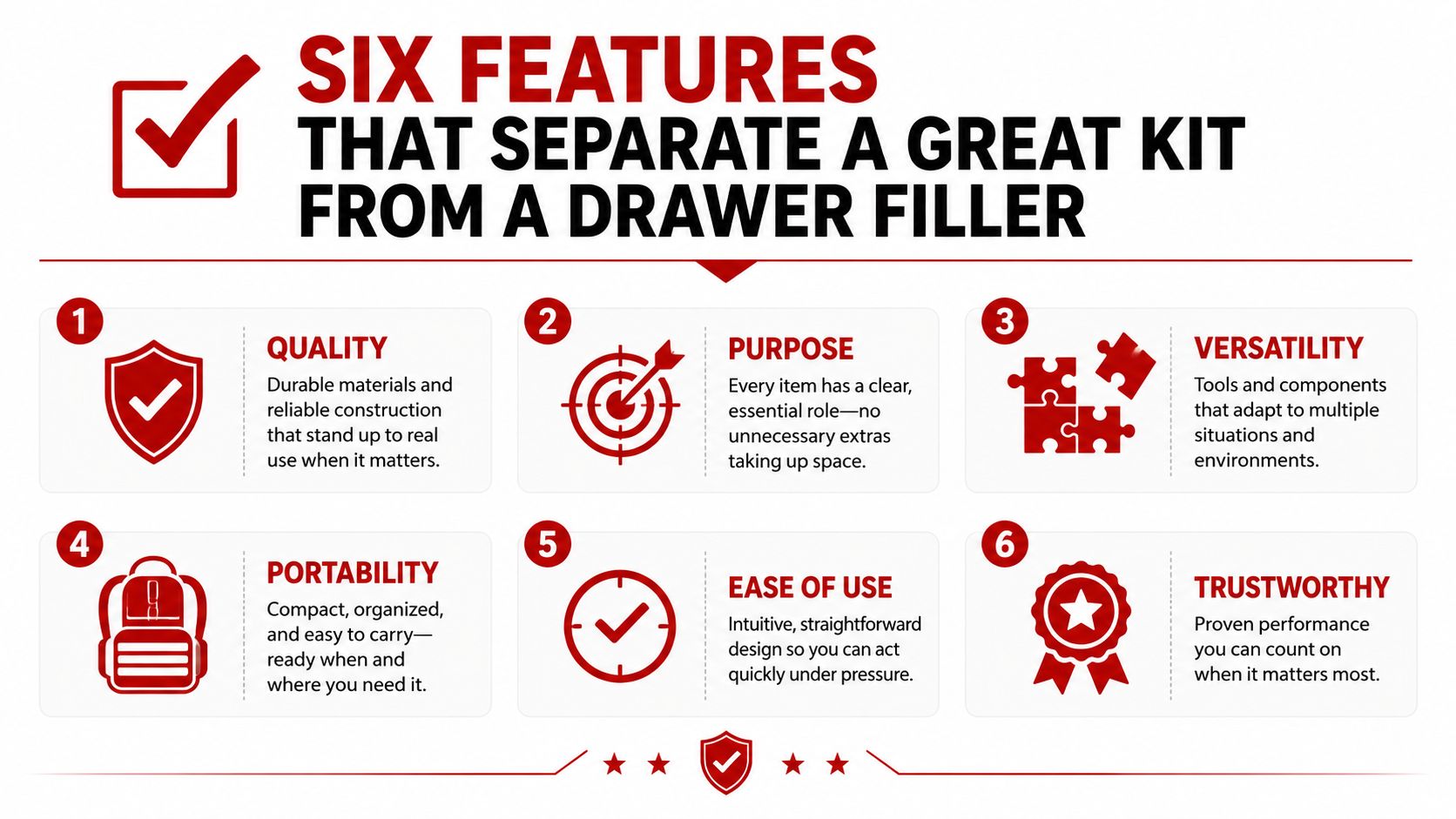
Six Features That Separate a Great Kit from a Drawer Filler
I judge kits on design, not branding. A famous name can still hide sloppy parts, vague directions, or a one-and-done activity. What matters is whether the child can build, test, and rebuild without constant adult intervention.
1. Complexity that fits the age, not the packaging
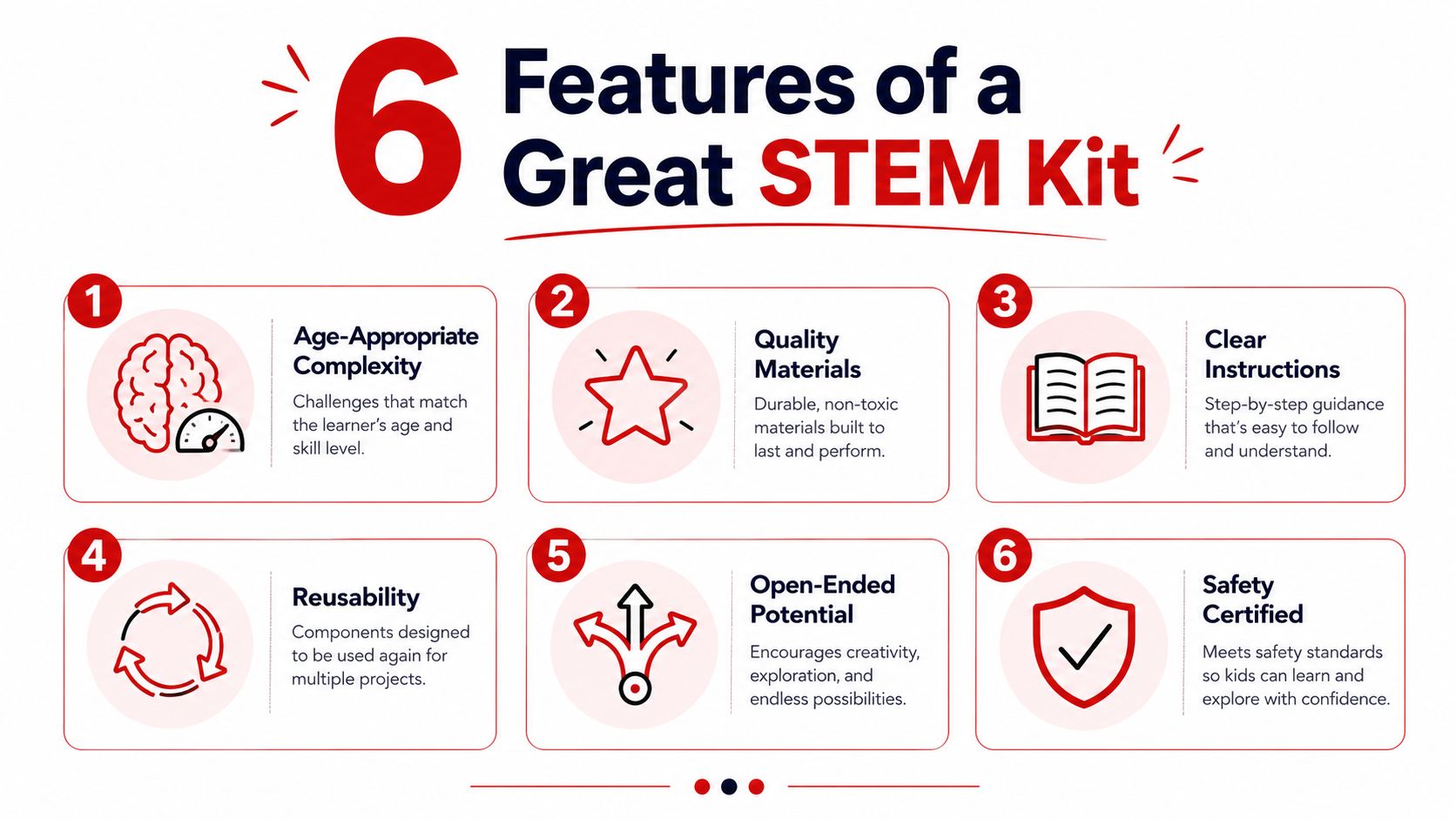
A 9-year-old should be able to handle multiple steps. They should not need soldering, advanced coding knowledge, or adult-level fine motor precision. The best kits live in the 8+ to 10+ range, where the child has enough maturity for real construction but still benefits from guided structure (Mindware age guide).
2. Components that prevent mistakes
Good beginner kits use keyed connectors, pre-cut parts, and clear power setups so kids don't get stuck on avoidable errors. Expert roundups also note that many kits in this age range use 2-4 AA batteries, with some using 4 AA batteries, 3 AA batteries, or a coin cell for a remote (Best Buy Canada product page). The lesson is simple, the less friction in setup, the more time the child spends learning.
What good looks like: the child snaps parts together, the result works, and they can immediately change one variable and try again.
3. Reusability instead of a single reveal
One-build kits feel exciting for a day, then disappear. Better kits let the same pieces support multiple projects, so the child can experiment instead of merely complete. That repeated use is what turns novelty into skill.
4. Instructions that teach, not just command
A strong manual explains why a step matters. Children this age can follow directions, but they learn more when the kit helps them see cause and effect instead of just handing them a sequence.
5. Safety and durability
Kids will test a kit harder than the marketing photos suggest. Loose joints, flimsy plastic, and vague power instructions are a bad mix. For school or home, sturdier materials mean the kit survives more than one child and more than one weekend.
6. A real learning payoff
The product should map clearly to a domain, electronics, geology, coding, robotics, logic, or engineering. If the box only says “fun,” that's not enough. The strongest options from review coverage for this age tend to cluster around electronics, geology, coding and robotics, and logic, including products like Snap Circuits Jr. SC-100, the National Geographic Earth Science Kit, Makeblock mBot, and ThinkFun Gravity Maze (Raindrop Chess roundup).
For a tighter product-comparison mindset, Playz's science kits guide is a useful companion read.
Matching Kit Types to Skills and Play Styles
Not every 9-year-old wants the same kind of challenge. Some want things that flash and buzz. Others want to build a model, solve a puzzle, or tinker until the mechanism works. Matching the kit type to the child's play style matters more than picking the hottest theme.
| STEM Kit Types at a Glance | Core Skills | Play Style | Independence Level |
|---|---|---|---|
| Electronics and circuits | Cause and effect, troubleshooting, basic power concepts | Guided discovery, “why did that light turn on?” play | Moderate |
| Robotics and coding | Sequencing, logic, iteration, problem solving | Longer build, test, adjust, repeat | Moderate to high |
| Science experiments | Observation, prediction, recording results | Fast feedback, sensory, hands-on testing | Moderate |
| Engineering and building | Spatial reasoning, planning, persistence | Open-ended construction, model making | High |
Electronics and circuits
Circuit kits work well for kids who like instant results. They're like a guided magic trick, the child connects a piece, and suddenly the world responds. That makes them especially strong for kids who like clear cause and effect.
Robotics and coding
Robotics kits are a longer puzzle. They reward patience, sequence thinking, and the kind of child who likes to tweak one thing and test again. Age guides for 9 to 12 often point to programmable robots and tangible coding tools, including LEGO Mindstorms / SPIKE Prime, Sphero BOLT, and Arduino Starter Kit (Digikidz age guide).
Science experiments
Science kits suit kids who love reaction and observation. They're best when the child can make a prediction, run the test, and talk through what changed. The strongest ones create visible outcomes, not just worksheets.
Engineering and building
Engineering kits fit children who want to assemble, disassemble, and rebuild. These often have the highest replay value because the child can invent a different structure each time.
The independence question is the true filter. A nine-year-old can often do more than adults expect, but only if the kit is designed to keep them in the loop. If it requires constant fixing, it's not really a kid kit.
For parents who notice their child learns best by movement and touch, Playz's kinesthetic learning guide is worth a look.
Bringing Kits into Home and Classroom Routines
A great STEM kit doesn't need a whole afternoon. In most homes, the sweet spot is a short, focused build with a clear finish line. A 30 to 45 minute session is enough for many projects, especially if you treat the first build as the start of learning, not the end.
On a Saturday kitchen table, I'd set out the parts, keep the manual visible, and let the child do the heavy lifting. If a sibling joins in, give them a real job, sorting pieces, reading steps aloud, or logging results. That keeps the build social without turning it into a takeover.
Simple routines that actually stick
Use a notebook or photo log. Kids this age love seeing evidence of what they built, and a quick snapshot helps them revisit the project later. If the kit has multiple outcomes, ask one follow-up question after each session, what changed, what worked, what you'd try next.
Practical rule: The second use is where the learning starts to harden into confidence.
In classrooms, STEM kits work best in small groups. Three students rotating through a single kit across the week is often more realistic than expecting every child to finish everything at once. Teachers can also slot kits into science units or engineering centers without pretending the kit replaces the curriculum.
That setup works especially well when adults are organized. If the kit is being used in an after-school program, it helps to have basic vetting in place for helpers and volunteers, and a resource like VolunteerBadge's background-check overview for after-school volunteers can support that planning.
For families who want more screen-light activity ideas, Playz's guide on reducing screen time fits naturally with this routine.
A good build session should feel contained, not chaotic. If the child can finish, explain, and revisit the project, the kit has done its job.
The Screen-Free Advantage Most Guides Overlook
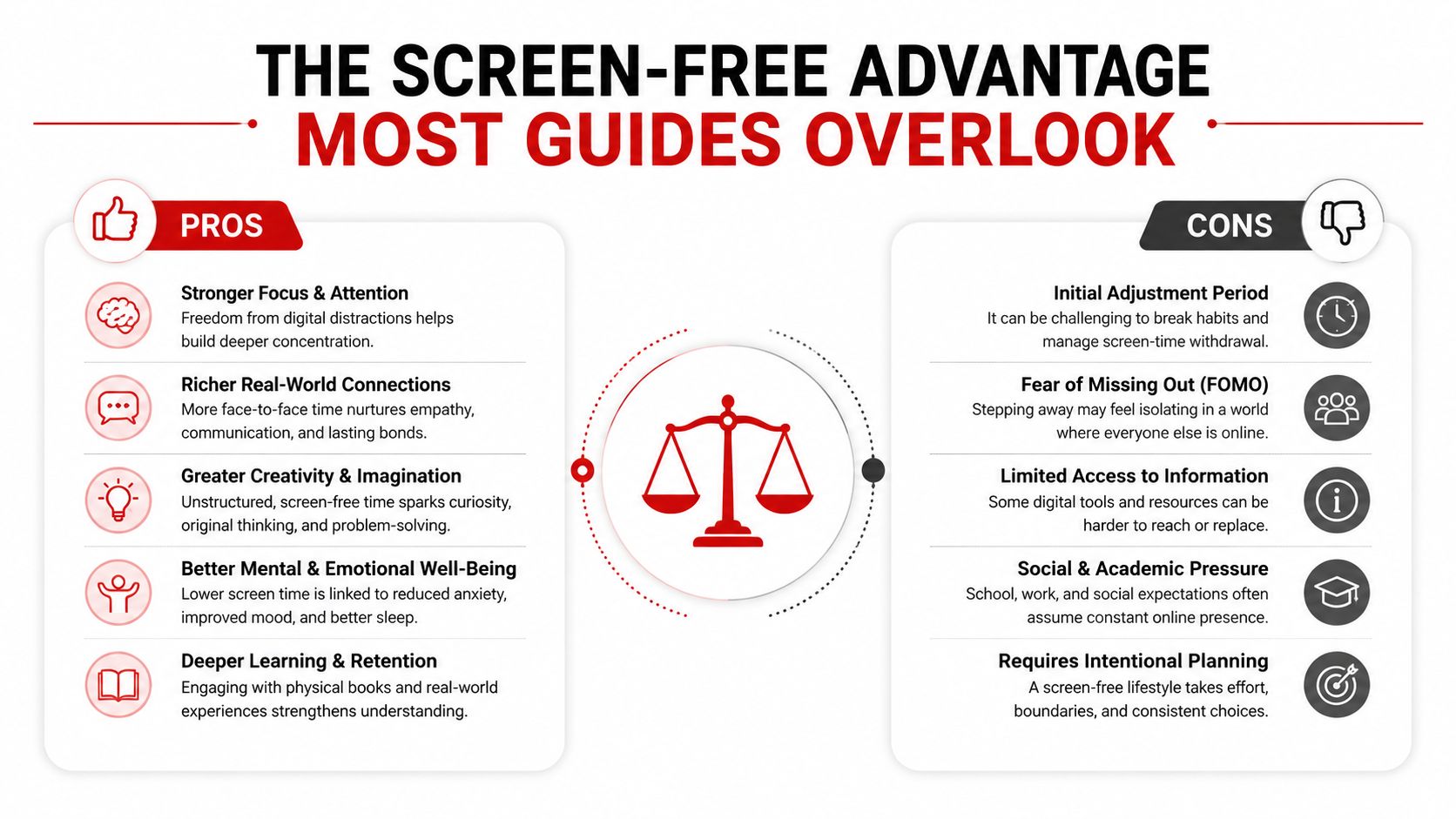
A lot of buying guides act like app-connected automatically means better. I don't buy that. For many 9-year-olds, the stronger choice is the kit that works with their hands first and a screen never, or only lightly, enters the picture.
Why screen-free and hybrid kits hold up better
Screen-free kits force the child to interact with parts, space, and physical cause and effect. That tends to build durable skills, and it avoids the distraction of app menus, permission screens, and device drift. Hybrid kits can still be excellent, but only when the screen is there to support the build, not dominate it.
That's why replay value matters so much. A child can rebuild a circuit, swap a gear, or redesign a structure more easily when the kit's logic lives in the materials instead of inside an app. The constraint becomes imagination, not software access.
The broader conversation about screen habits is already moving in this direction, and Simply Tech Today's screen time reduction advice is a useful reminder that families are actively looking for lower-device alternatives. That matches what I see in real homes, parents want activities that pull kids into play, not back onto another glowing rectangle.
The contrarian take matters. The smartest kit for a 9-year-old is often the one that creates a long stretch of hands-on focus, not the one that adds another tablet task to the day.
That said, screen-dependent kits still make sense for a child who specifically wants coding or digital robotics. Just don't confuse a polished app with better learning. The best choice is the one your child can keep using after the novelty fades.
Smart Questions to Ask Before You Buy and Quick Fixes When Things Go Wrong
Before I buy any STEM kit for a nine-year-old, I ask five blunt questions. Can the child build it independently, or will an adult need to step in every few minutes? Does it reuse components for new builds, or is it a one-time reveal? Does it require a specific app or device? What's the power source? And is this something the child could pretty easily do with household objects instead?
The questions that save you money and frustration
- Independent build: If your child can't do most of it alone, the kit probably needs too much adult rescue.
- Reusability: If parts can't be used again, the replay value is weak.
- App dependence: A required app can be fine, but it should support the kit, not control the whole experience.
- Power source: Simple, clear battery needs beat unclear electronics every time.
- Original value: If the activity feels like a craft you could duplicate with random supplies, it may not be worth the price.
When things go wrong, I start with the basics. Missing parts happen, so keep packaging until the first project is complete. If the instructions skip steps, slow down and check whether the kit expects prior knowledge it never taught. If the build doesn't work, don't immediately blame the child, check the battery orientation, connector fit, and whether a piece is reversed. If interest drops after one build, that usually means the kit had low reuse value from the start.
One more point matters in real life. If you're buying for a birthday, classroom, or after-school group, choose a kit that rewards repeated use and doesn't demand a rescue every ten minutes. That's the standard Playz leans into with hands-on, screen-light learning, and it's the standard I'd use anywhere.
Playz sells hands-on kits that fit this age range, including science and coding-oriented options, so if you want a starting point for a child who likes building, testing, and trying again, take a look at Playz. Pick a kit that matches your child's independence level, not the loudest box on the shelf, and you'll get more than a one-time activity. You'll get a toy that earns its spot on the table.