


Sensory seekers thrive on fast, targeted input. Over time, I’ve noticed that the most effective toys fall into five clear categories. Each one delivers a burst of stimulation—whether through touch, movement, pressure, or sound—to help kids regulate, focus, and unwind.
From the gentle resistance of a weighted lap pad to the exhilarating spin of a platform swing, these tools light up a child’s attention and soothe their nervous system. Ready for a quick tour before we dig deeper? Let’s go.
Top Toy Categories for Sensory Seekers
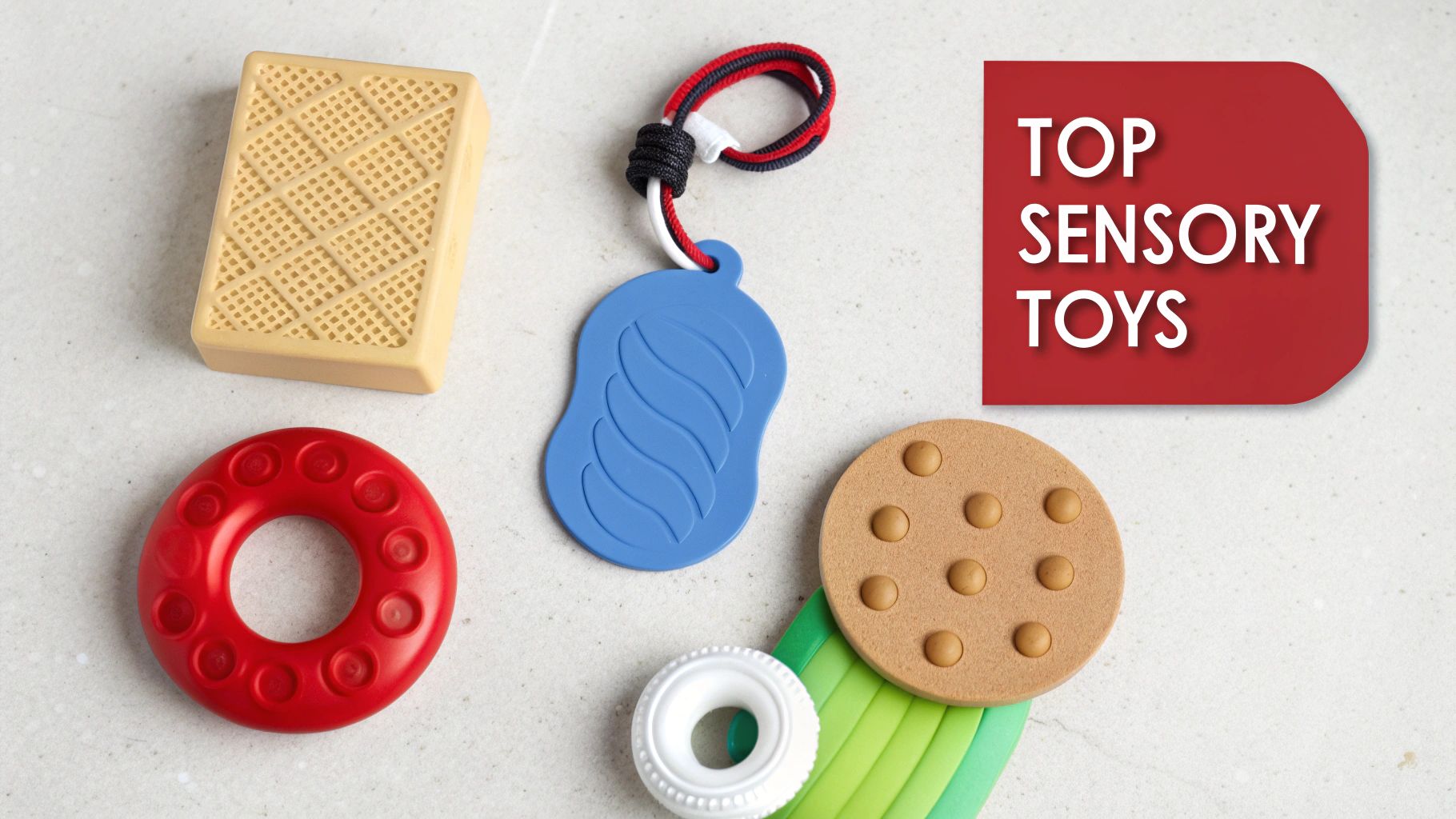
Below is a fast snapshot that lines up each toy group with a standout example—and explains why it works. Think of it as your quick-reference guide to matching play items with sensory needs.
| Category | Example Toy | Key Benefit |
|---|---|---|
| Oral Input | Chewies | Jaw relaxation and self-soothing |
| Tactile | Silicone Fidget Pad | Fine motor control and stress relief |
| Movement | Platform Swing | Vestibular input for regulation |
| Weighted | Lap Pad | Proprioceptive calm and focus |
| Visual/Auditory | Light Projector | Visual tracking and ambient alerts |
No matter where you’re setting up—whether it’s a therapy session, a home play nook, or a car ride—this breakdown makes it simple to spot the right match.
Who Benefits Most:
- Parents hunting for quick sensory fixes on the run
- Occupational therapists adapting sessions to each child’s needs
- Educators adding focus-friendly tools to busy classrooms
Learn more about creating immersive sensory spaces with Playz play tents.
Keep these categories in your back pocket as we explore each sensory channel in detail ahead.
Understanding Sensory Seeking Behaviors
You might know someone whose fingers never stop tapping or who hums to themselves in line. These folks aren’t just fidgety—they’re sensory seekers, drawn to vibrant sights, sounds, and textures to feel centered. Rather than retreat from stimulation like avoiders, or barely register sensations like registrators, they thrive on continuous input.
Imagine an oral seeker chewing pens during a meeting or softly humming a familiar tune to spark focus. You see similar patterns in everyday life:
- Toddlers banging blocks together or gnawing on fabric swatches as they discover texture.
- School-age kids twirling in swivel chairs or scratching vigorously in notebooks to stay attentive.
- Teens drumming on sneakers, tangling earbuds, or slamming a locker door just to fulfill their sensory craving.
Identifying Early Signs in Sensory Seekers
Catching these habits early can make all the difference in teaching self-regulation:
- A two-year-old nibbling blanket corners? Likely craving oral feedback.
- A nine-year-old pacing circles around the living room during math homework? Movement is key for focus.
Science Behind The Craving for Sensory Seekers
Deep inside the brain, dopamine pathways light up when we chase new sensations. This reward loop nudges sensory seekers to gather more input until calmness settles in. It’s like a signal saying, “Keep going—you’re on the right track.”
Key Insight
Sensory seeking taps into the brain’s reward circuit to help individuals tune in and self-regulate.
Global purchase data underscores this need. North America and Europe dominate the market for high-input sensory tools, while Asia-Pacific shows the fastest growth in therapeutic sensory toys as ASD and ADHD diagnoses rise. Discover more about this surge from Business Research Insights.
Why The Right Toy Matters
Choosing a toy that clicks with a sensory seeker turns play into purposeful self-care. A weighted lap pad can feel like a comforting embrace when someone craves deep pressure. In contrast, a textured chewable keeps pearly whites safe for active oral explorers.
- Oral tools soothe and sharpen fine motor skills.
- Proprioceptive gear boosts muscle and joint awareness.
- Vestibular swings challenge balance and spatial orientation.
- Tactile fidgets invite gentle touch exploration.
- Visual/auditory gadgets calm sight and sound cravings.
You can dive deeper into how sensory play works in our guide What Is Sensory Play.
Contrasting Sensory Styles
Sensory profiles span a spectrum—from those who pull back at every beep or flash to others who barely notice a hurricane passing by.
- Sensory Avoiders recoil at bright lights, sharp noises, or unexpected touch.
- Sensory Registrators need a big jolt of input to catch subtle cues.
- Recognizers sit comfortably in the middle, flexing sensitivity up or down at will.
Stories Of Sensory Balance
Real-life examples bring these styles into focus:
- At five, Ethan discovered that spinning on his tire swing after preschool felt like a reset button for his busy brain. Years later, his mom still tucks a stress ball into his office drawer to help him channel restless energy at work.
- College student Kara chewed mint gum and tapped soft rhythms to stay on task during long study nights.
Balancing Input And Focus
Finding the sweet spot between too little and too much input takes practice. Swap out toys every few minutes and match their intensity to the moment’s mood:
- Start small: hand over discreet fidgets before jumping into vigorous swing time.
- Watch for changes: if restlessness fades, dial sensory play up—or down—accordingly.
Next up: explore our curated collection of sensory tools designed to sharpen focus, ease tension, and spark joyful discovery.
Market Trends And Availability Of Sensory Toys for Sensory Seekers
In the last few years, sensory toys have jumped from therapy centers into every toy aisle. More families and professionals understand how therapeutic play supports sensory seekers, so you’ll spot these tools in local shops and online.
What once required a custom order from a therapist or artisan now includes tactile fidgets, swings, and chewables on major retailer shelves. Choices have never been wider—or prices more approachable.
Analysts predict the sector will keep growing. The global fidget and sensory toy market sits at USD 6.98 billion in 2025, and it’s on track to hit USD 11.96 billion by 2029 at a 14.4% CAGR. For the full deep dive, check out the Research and Markets report.
- Niche Therapy Roots: Originally crafted by occupational therapists for self-regulation.
- Mainstream Retail Expansion: From big-box stores to online marketplaces, everyone’s stocking sensory tools.
- Evolving Price Points: Entry-level fidgets run under $10, while advanced swings and weighted items top $100.
Projected Market Growth for Sensory Toys
| Year | Market Size (USD Billion) | CAGR |
|---|---|---|
| 2025 | 6.98 | 14.4% |
| 2029 | 11.96 | 14.4% |
This steady climb shows how innovation and competition are driving both new product ideas and more affordable pricing.
Retail Channel Diversity
Today’s sensory toys are sold through a web of channels. A recent survey found 65% of buyers favor online shopping for its convenience and wider selection.
- E-Commerce Marketplaces: Vast catalogs and peer reviews help you compare options.
- Specialty Sensory Stores: Curated shelves and hands-on guidance from experts.
- Big-Box Retailers: Budget-friendly starter kits for families on a tight budget.
- Local Toy Shops: Personalized service and unique finds you won’t see everywhere.
Rise Of Multi-Modal Products
Manufacturers are blending touch, sound, and motion into single toys—perfect for complex sensory profiles. Explore our Choosing Sensory Toys by Age guide.
Multi-modal toys deliver combined stimuli that streamline sensory routines and boost engagement.
- Dual-texture fidget pads mixing rubber bumps with yarn strands
- Vibration chew toys that pulse with gentle hums
- Weighted mats featuring built-in sound modules for calming ambient noise
- Light-up tactile cubes that react to touch and movement
These developments mean more choice and better value every year. Parents and therapists now have unprecedented options to build a robust sensory toolkit.
Explore Playz’s curated collection today to find the best toys for sensory seekers and build your own sensory toolkit. Shop now online at Playz!
Categories Of Toys For Sensory Seekers
When kids crave extra sensory input, the right toys can be a game-changer. They help sensory seekers channel restless energy into focused play, boosting both calm and concentration. Below, we’ll unpack five toy categories—oral, tactile, proprioceptive, vestibular, and visual/auditory—and show how each one meets unique sensory needs.
First, take a look at this snapshot of the sensory toy market:
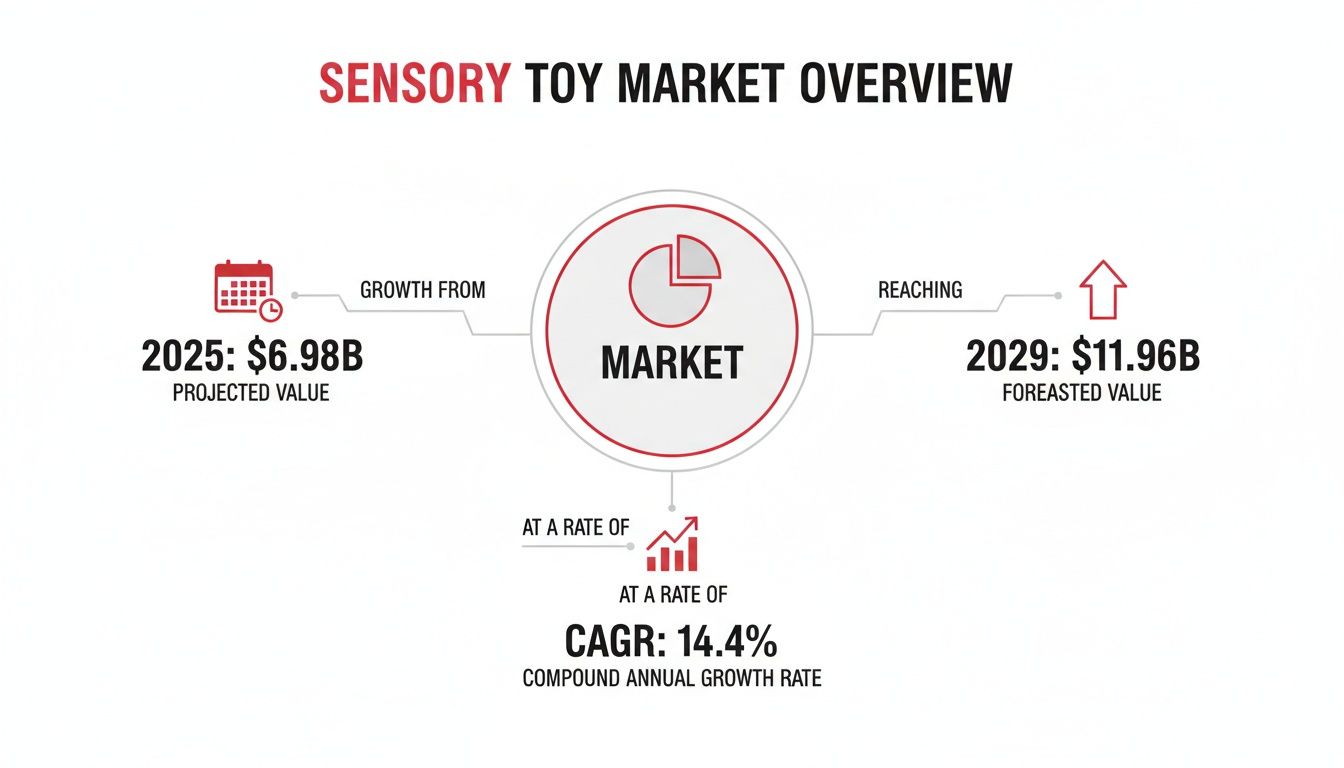
The figures speak volumes: USD 6.98 B in 2025 growing to USD 11.96 B by 2029 at a 14.4% CAGR. It’s clear—these tools are more than a fad.
Oral Input
Kids who chew, bite, or suck tend to stay grounded when they have safe oral options:
- Durable chew necklaces let them exercise jaw muscles quietly.
- Z-Vibe pens add a gentle vibration that zeroes in on oral feedback.
- Bubble wands turn breathing exercises into playful routines.
Imagine a child quietly chewing a pendant during circle time. They stay attentive and non-disruptive—a simple strategy that makes a big difference.
Actionable Tip: Schedule a “chew break” every 15 minutes during homework to boost focus.
Tactile Input
Fidgety fingers find relief in textures that invite exploration:
- Silicone fidget pads mix ridges and bumps, absorbing excess energy.
- Kinetic sand transforms squishing, scooping, and dumping into a calming ritual.
- Bristle blocks introduce building fun with a sensory twist.
Therapists often suggest rotating textures weekly to keep engagement high. It’s amazing how a small change can re-spark curiosity.
Proprioceptive Input
Deep pressure helps many kids feel centered, as though their body is getting a reassuring hug:
- Weighted lap pads deliver that soothing weight right where it’s needed.
- Therapy balls and peanut balls encourage push-and-pull motions for refined motor control.
- Resistance bands turn strength exercises into sensory-rich games.
Try a quick tug-of-war using a resistance band. It’s not only great for muscle tone but also a fantastic way to regulate the nervous system.
Vestibular Input
Movement can either calm or energize, depending on how it’s delivered:
- Platform swings offer a gentle back-and-forth rhythm that resets busy minds.
- Sit-and-spin discs focus on controlled rotation to boost attention.
- Tunnels and slides invite crawling and sliding for whole-body vestibular work.
A few minutes on a swing before reading time often acts like a mental “refresh button” for restless learners.
Visual And Auditory Input
Light, color, and sound patterns can shift mood almost instantly:
- Light projectors cast drifting shapes that guide gaze and settle thoughts.
- Simple drums or tone blocks engage rhythmic urges and auditory cravings.
- Sensory bottles or glitter jars invite tracking motions that soothe the eyes.
Dim the lights, fire up a soft light projector, and add gentle music—you’ve just created a mini sensory retreat.
Category Comparison: Pros and Cons
| Category | Pros | Cons |
|---|---|---|
| Oral Input | Discreet, portable, quick relief | May require frequent cleaning/replacement |
| Tactile | Wide variety, easy rotation, encourages fine motor | Some textures wear out faster |
| Proprioceptive | Deep pressure calms effectively | Heavier items can be bulky |
| Vestibular | Resets energy levels quickly | Requires space and secure installation |
| Visual/Auditory | Instant mood shift, minimal physical effort | Can overstimulate in high-intensity settings |
Key Takeaways
- Oral toys invite jaw movement and self-soothing.
- Tactile items calm nerves through varied surfaces.
- Proprioceptive tools use deep pressure for grounded focus.
- Vestibular gear leverages motion to regulate balance and energy.
- Visual/auditory gadgets shift mood through light and sound.
Mix and match these categories to suit changing sensory needs—and remember, a thoughtful blend of tools empowers sensory seekers of all ages.
How To Choose The Right Toys For Different Ages
Finding sensory toys that truly fit means balancing safety, durability, and developmental needs. For the youngest explorers, every piece must stand up to curious mouths and hands.
Infants and toddlers thrive with single-piece chewables crafted from medical-grade silicone. Always look for BPA-free and PVC-free labels—they signal you’re choosing safe materials with no hidden surprises.
Choking risks peak under age three. As a rule, skip anything with detachable parts smaller than 1.25 inches in diameter. That simple check keeps little ones safe while they discover new textures.
Criteria For Young Children
- Chewables certified to ASTM F963 toy safety standards
- Lap pads or weighted blankets under 5 pounds
- Clearly marked CE or CPSIA labels on all materials
- Promptly discard items showing wear, loose threads, or tears
Preschoolers are ready for bolder textures but still need break-resistant designs. Seek fabric toys with reinforced seams and plastic items with smooth, rounded edges.
| Age Range | Toy Category | Safety Focus |
|---|---|---|
| 0–2 Years | Chewables | No parts smaller than 1.25 inches |
| 3–5 Years | Tactile Fidgets | Reinforced edges and durable, non-toxic dips |
| 6–8 Years | Proprioceptive Gear | Weight under 10% of child’s body weight |
| 9+ Years | Vestibular Tools | Secure anchors and easy-height adjustment |
Selecting For School-Age And Teens
By school age, children can handle weight vests up to 15% of their body weight and explore medium-intensity textures. These tools refine coordination and offer a satisfying sensory release.
- Let kids choose what appeals to them—self-regulation grows with ownership
- Add NC30 noise-canceling headphones for auditory support
- Rotate toys every two weeks to keep things fresh and engaging
Cleaning And Consulting Experts
Hygiene and durability go hand in hand. After each session, wipe non-porous toys with soap and water or a mild bleach solution. Soft fabrics should be machine-washable or spot-cleaned following the manufacturer’s instructions.
Consistent cleaning extends toy lifespan and reduces allergic reactions
Occupational therapists offer personalized advice. They assess individual sensory profiles and recommend certified products with the right weight, texture, and activity duration. Most professionals stick to certified ranges to guarantee material safety.
Tactile and chewable toys account for 35–55% of unit sales in sensory toy markets, with 40–45% of manufacturers citing material safety and compliance as top distribution challenges—driving certified products to the top of therapists’ “best” lists. Read the full report on these findings on Data Insights Market.
Key Certifications To Check
- ASTM F963 for comprehensive toy safety standards
- CPSIA compliance to confirm non-toxic components
- CE marking for European safety requirements
Rotate and replace worn toys annually to maintain safety.
By aligning weight limits, safety certifications, and age group considerations, you can confidently choose the best toys for sensory seekers.
Practical Play Activities And Product Pairings
Imagine a play cycle that keeps curiosity alive. By combining movement, touch, sound, and taste, you create a sensory symphony that holds attention and supports regulation.
Whether you’re setting up a therapy room or a cozy corner at home, pairing tools in creative ways can make all the difference.
Dual Input Pairing Ideas
-
Vibration Pad + Textured Mat
Lay a cushioned mat on the floor with a vibration pad beneath. This duet for the senses calms jittery legs and sharpens focus. -
Weighted Lap Pad + Fidget Cube
Drape a weighted lap pad across a child’s thighs while they click, scroll, or twist a fidget cube. The blend of proprioceptive and tactile signals can power through homework time. -
Swing + Light Projector
Position a platform swing next to a light projector casting gentle patterns on the wall. Swaying motion paired with soft visuals soothes even the busiest minds at the end of the day. -
Oral Chew + Music
Offer a chewable necklace alongside a small speaker playing steady, rhythmic beats. The combo delivers oral motor feedback and auditory regulation in one go.
Even better, switch out each pairing every 10–15 minutes. That small tweak keeps novelty high and prevents sensory “burnout.”
Activity Steps And Age Tweaks
-
Set Up Space
Clear a 4×4-foot zone and arrange mats or cushions. -
Introduce Tools
Walk through each item, demonstrate its use, then invite exploration. -
Monitor Response
Look for yawns, runaway hands, or restless feet as cues to dial back. -
Adjust Intensity
Add or remove elements until you hit that sweet spot of comfort and engagement.
| Age Group | Rotation Interval | Intensity Tip |
|---|---|---|
| Under 5 | 5–10 minutes | Low pressure |
| 6–10 | 10–15 minutes | Medium levels |
| 11+ | 15–20 minutes | Higher intensity |
Building A Sensory Station
Craft a dedicated corner loaded with a variety of tools and rotation bins. Use these components to tick every sensory box:
-
Weighted Blanket
Drape over a chair for proprioceptive support. -
Textured Balls
Keep them in transparent bins for quick tactile access. -
Chew Tools
Hang necklaces at child height for easy oral feedback. -
Swing Or Seat Pod
Install a platform swing or pod chair for vestibular thrills. -
Light Projector
Place on a side table to offer visual focus and calm.
Block out distractions and label each bin by sensory type.
Tip
Rotate station items weekly to sustain novelty and prevent habituation.
This setup encourages kids to self-select, build confidence, and regulate in the moment. Keep a simple log of favorites and shifts in preference—and tweak as you go.
Ready to build a tailored play routine? Learn more about sensory activities for kids in our guide to expand your toolkit.
Parents report 85% improvement in focus when using combined pairings over solo tools. Therapists note that granting choice reduces pushback and empowers self-regulation.
By mixing high and low input tools throughout the week, you’ll keep engagement fresh—and celebrate small wins every day.
FAQ
What Is A Sensory Seeker?
Imagine someone who never seems to get enough wiggle room, chewing space, or sound feedback. A sensory seeker is exactly that—they thrive on extra movement, touch, or noise to feel grounded and alert. For a deeper dive into toy options, see Categories Of Toys For Sensory Seekers.
How Do I Pick The Best Toy Category For My Child?
Start by watching what your child naturally gravitates toward—do they chew, spin, or squeeze? Then match that craving to a toy group designed to feed it. For age-specific advice, check out How To Choose The Right Toys For Different Ages.
- Sensory Style: Does your child prefer chewable, tactile, or vestibular input? Zero in on the right category.
- Safety Needs: Always glance at weight limits, potential choking hazards, and look for ASTM F963 or CPSIA labels.
- Routine Fit: Pick tools that slot seamlessly into homework time, mealtime, or road trips to keep sensory input steady.
What Safety Certifications Should I Prioritize?
When you shop, look for ASTM F963, CPSIA, and CE marks. These guarantee materials are non-toxic and built to last. For more on age and material guidelines, revisit How To Choose The Right Toys For Different Ages.
How Can I Weave Sensory Tools Into Daily Routines?
It doesn’t have to be complicated. Carve out quick, 5-minute breaks—before homework or right after school—to let your child move, chew, or press. Those mini-sessions keep them calm and focused. For step-by-step ideas, explore Practical Play Activities And Product Pairings.
Can Adults Use Sensory Toys Too?
Absolutely. Fidgets, weighted wraps, or chew tools aren’t just for kids—they’re perfect for adults juggling work, travel, or everyday stress. For top adult picks, see Quick Answer For Best Toys For Sensory Seekers.
85% of parents say combined sensory tools boost focus in daily life.
Ready to empower your sensory seeker? Discover the best toys for sensory seekers today at Playz and transform playtime into purposeful self-regulation!