

The most popular advice about educational toys dinosaurs gets one important point wrong: a toy doesn't become educational just because it has a T-Rex on the box. Naming species can be fun, but real science learning begins when children compare evidence, notice differences, ask questions, test ideas, and explain what they think.
A dinosaur figure can become a paleontology tool, a movement prompt, a storytelling partner, or a source of confusion. The difference depends on what adults invite children to do with it. With a few carefully chosen questions, a basic toy collection can support scientific accuracy, fine-motor development, social learning, and active screen-free play.
Why Most Dinosaur Toys Miss the Educational Mark
A child may know the names of many dinosaurs and still hold inaccurate ideas about prehistoric life. In a classroom activity with children aged three to five, some children believed that every adult dinosaur was large, while others confused a Velociraptor with a giant dinosaur. The activity also found that children could interpret toy figures as life-sized, which is why relative scale matters when adults select and discuss them. The classroom activity on Mesozoic measurement offers a useful warning for anyone buying dinosaur figures.
A collection full of species names may encourage recall without building understanding. Children need chances to notice that bodies differ, diets relate to teeth and jaws, and habitats influence how animals might move or find food. They also need to hear that some ideas are well supported by fossils, while other details, such as exact color or behavior, remain uncertain.
From naming to noticing
Try changing the question from “What's that dinosaur called?” to “What do you notice about its feet?” A child might compare a figure with broad feet to one with narrow feet, then suggest how each animal moved. The adult doesn't need to provide every answer. Ask, “What makes you think that?” and “What evidence would help us check?”
Many products still reflect older ideas about dinosaur movement, intelligence, and behavior. A recent discussion from the Dinosaur Society warns that even products marketed as educational may present information that is decades out of date. That makes it sensible to treat every toy as a starting point for investigation, not as a final authority.
A remote-control figure, for example, can prompt questions about movement, balance, and imagined behavior, but it shouldn't be treated as a scientifically accurate model just because it walks or roars. You can find a playful example in this guide to remote-control dinosaur play, then add your own questions about which movements are supported by fossil evidence.
Practical rule: A dinosaur toy earns its educational value through the questions, comparisons, and explanations children make while using it.
The most useful play shifts between three categories: known, likely, and imagined. A fossil can provide evidence that an animal had certain bones. A tooth shape can support an inference about diet. A bright purple body or dramatic roar belongs in imaginative play unless evidence supports it. That distinction turns toy time into early scientific reasoning.
The Real Developmental Benefits of Prehistoric Play
A dinosaur toy can support several areas of development at once, but the benefit comes from the action, not the theme. When children grasp small figures, position legs, brush material away from a replica bone, sort animals, or build a habitat, they coordinate vision, movement, language, and memory.
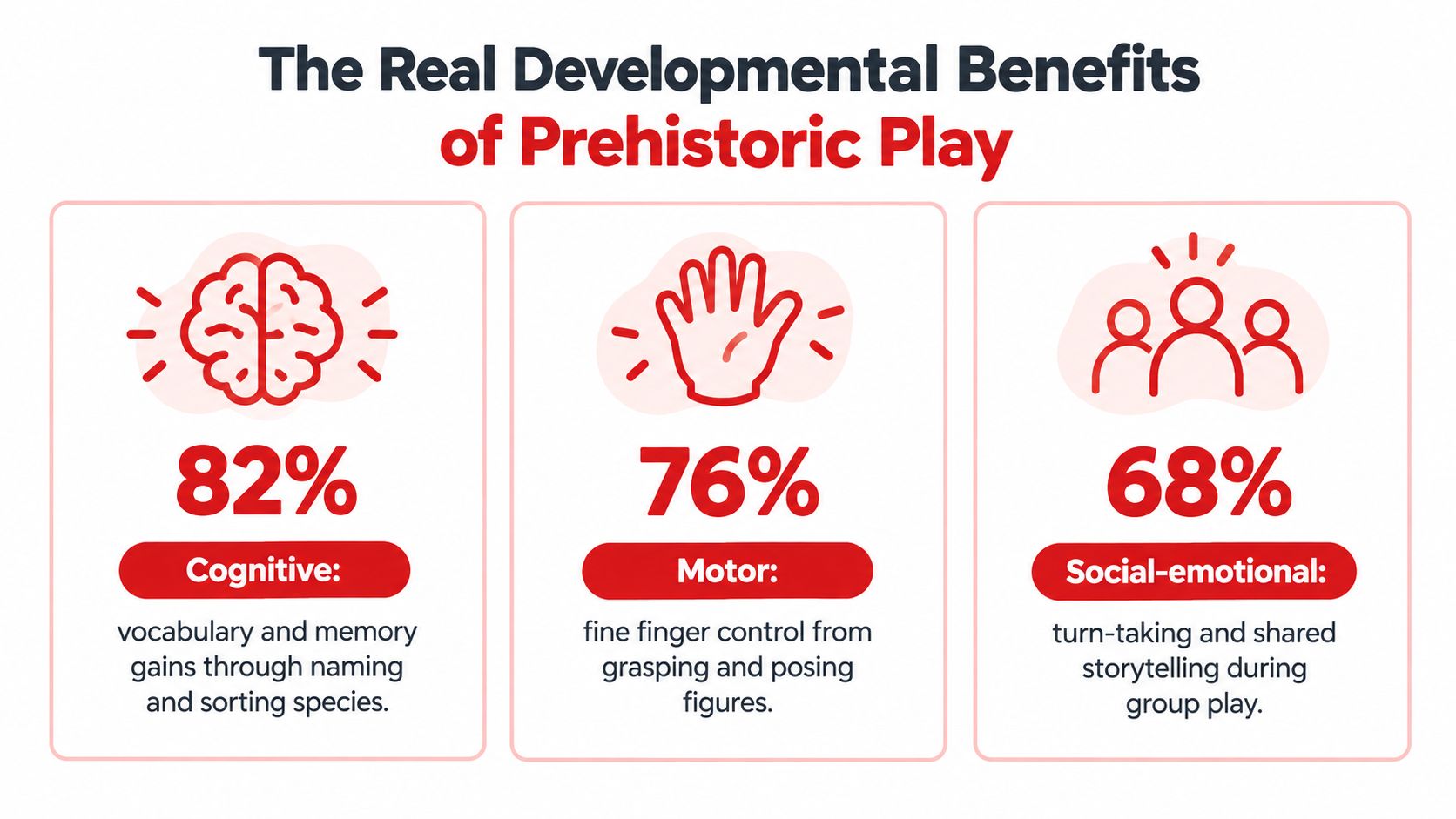
An excavation activity provides a particularly clear learning sequence. Children predict what might be hidden, apply controlled force, observe what appears, clean the find, compare pieces, and attempt reconstruction. Those steps reflect scientific practices including observation, evidence recovery, classification, model-building, and explanation. A preschool project using dinosaur toys also used ice excavation to encourage experimentation with melting and material change. This preschool paleontology project shows how a simple dinosaur theme can lead to questions about fossils, habitats, diets, and physical change.
What children can actually do
| Play action | Observable learning |
|---|---|
| Sorting figures | Children compare body features, sizes, teeth, horns, or imagined diets. |
| Building a habitat | Children connect an animal with water, shelter, plants, or open ground. |
| Excavating replicas | Children control force, observe layers, and recover evidence carefully. |
| Reconstructing bones | Children use shape and position to make a model. |
| Telling a group story | Children practice vocabulary, sequencing, listening, and negotiation. |
The commercial category also shows why purposeful design matters. A 2025 market estimate placed the global dinosaur playsets-for-toddlers market at approximately USD 1.163 billion, with a projection of USD 2.139 billion by 2034 and an estimated compound annual growth rate of about 6.8%. The report identified interactive playsets as the largest category at 28.5%, while educational playsets represented 24.2% in 2025. Asia-Pacific accounted for 35.2% of revenue, and children aged 3 to 4 represented roughly 38% of purchases, followed by ages 5 to 6 at 37% and ages 1 to 2 at 25%. These are commercial estimates, not government statistics, so they're best treated as directional. The dinosaur playsets market report nevertheless illustrates the scale of interest in this category.
Children also learn socially when they share a limited group of figures. They practice taking turns, accepting another child's rule, explaining a choice, and changing a story after discussion. For more ideas about converting tactile play into learning, see this resource on the benefits of hands-on learning.
How to Evaluate Scientific Accuracy and Safety
A thoughtful purchase begins with two questions: Will this toy support accurate thinking? Is it physically appropriate for the child using it? A detailed sculpt doesn't automatically answer either question.
Start with the science
Check whether the figures show meaningful differences in relative size. A tiny herbivore beside a huge predator may be suitable for imaginative play, but children can misunderstand the display if every figure appears to share the same scale. Look for information that distinguishes true dinosaurs from other prehistoric animals, such as pterosaurs or marine reptiles. Those animals lived during prehistoric periods, but they weren't dinosaurs.
Then examine the learning prompts. A useful set encourages children to compare bones, discuss diets, identify habitats, or separate fossil evidence from guesses. Be cautious with descriptions that promise “STEM” benefits without explaining the materials, activity sequence, or adult role.
Inspect the activity and the risks
Dig-and-reconstruct sets commonly include a sediment-like block, hand tools, a brush, replica bones or a skeleton, and an instructional guide. The same components can create risks from dust, fragments, sharp tool edges, and small parts. This dinosaur excavation kit guidance explains why safety information should be part of the educational design, not an afterthought.
Use this quick check before purchase:
- Read the age guidance. Choose a precise minimum age, not a vague suggestion. A set with small bones shouldn't be treated as a toddler toy.
- Inspect the tools. Look for edges that are suitable for children and instructions that explain how much force to use.
- Plan the surface. Follow guidance about eye protection, dust, ventilation, and a washable work area.
- Check the parts. Count small bones and loose pieces, then decide whether the child still mouths objects.
- Look for a complete cycle. The strongest activity moves from excavate to clean, identify, assemble, and explain.
- Review the information. Prefer current explanations of fossils, geologic periods, anatomy, and uncertainty.
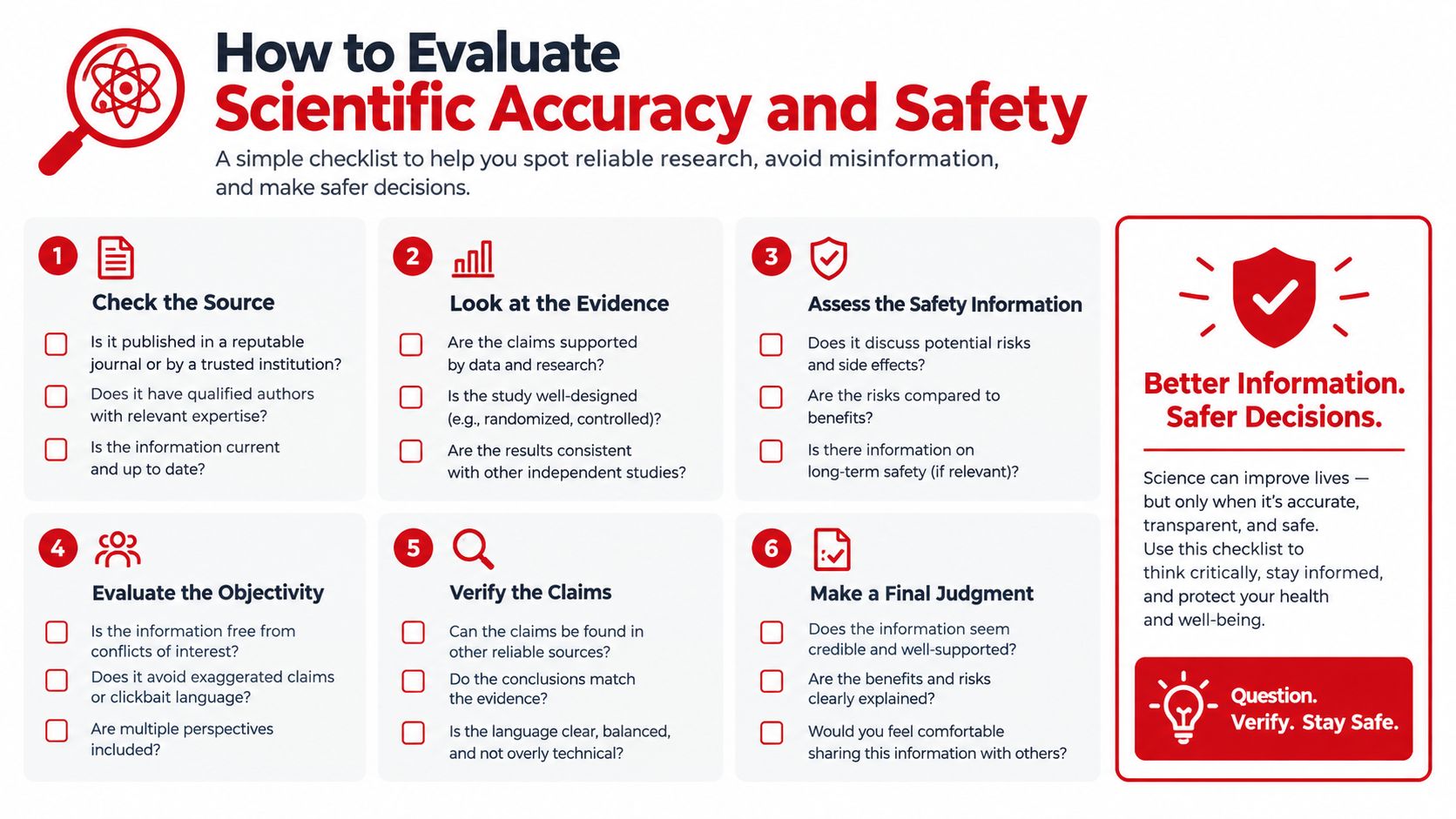
A safe activity also has an adult nearby who can slow the process down. Ask the child to predict where a piece might fit, brush gently, and explain why a bone belongs in one position rather than another. That turns supervision into teaching instead of just preventing accidents.
Replacing Screen Time with Active Hands-On Discovery
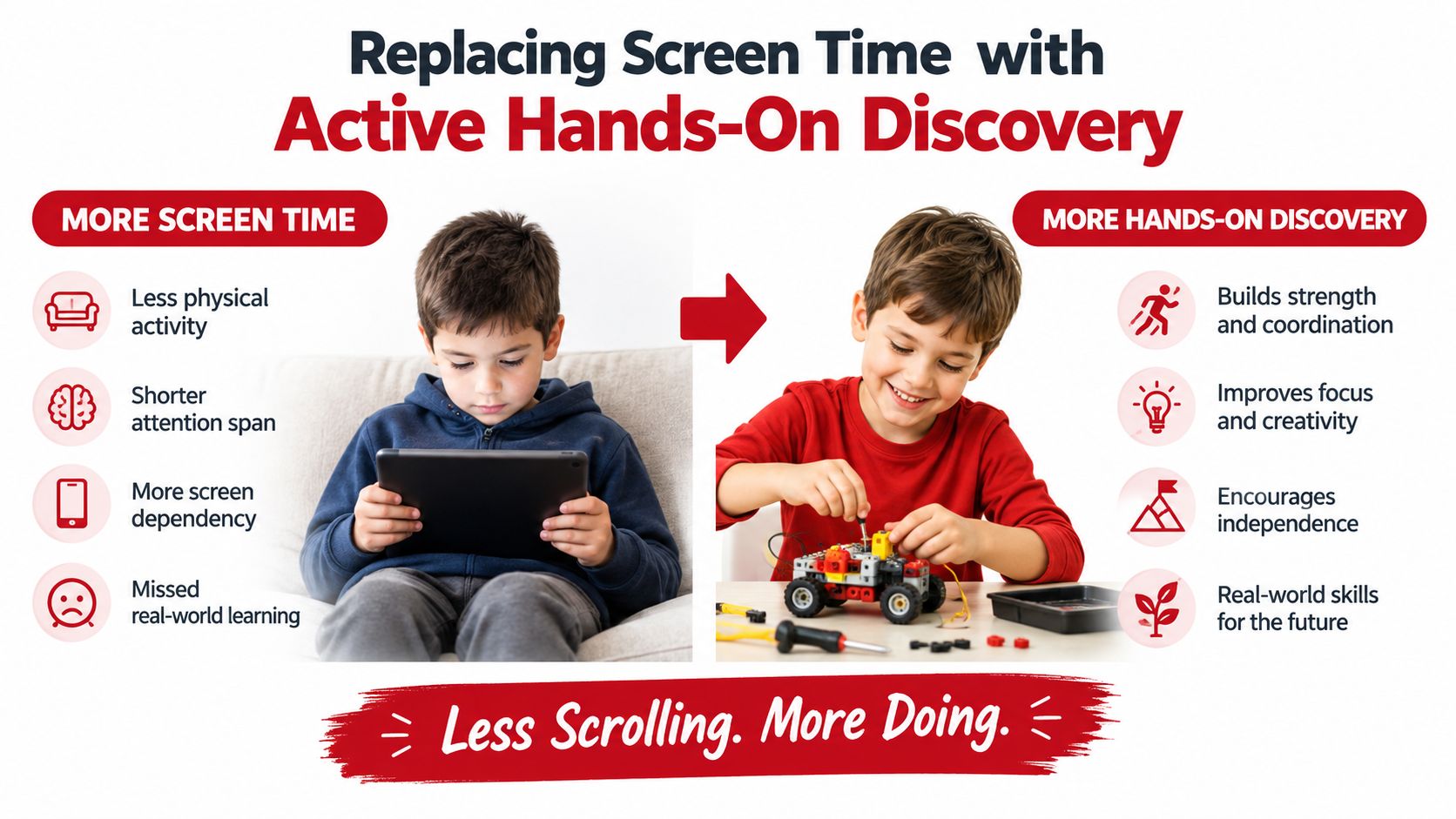
Watching a dinosaur cartoon can introduce names, sounds, and stories. It doesn't offer the same physical experience as crawling across the floor to follow tracks, carrying figures to a habitat, or using a brush to uncover a replica. The two activities can coexist, but they shouldn't be treated as interchangeable.
WHO guidance recommends replacing prolonged sedentary screen time for children under five with more active play and protecting adequate sleep within a healthy 24-hour pattern. In Australia's implementation of those guidelines, toddlers and preschoolers are advised to complete at least 3 hours of physical activity across the day. Children aged 2 to 5 are advised to have no more than 1 hour of screen time daily, while children under 2 are advised to have no screen time. The Australian Bureau of Statistics summary of children's activity, screen time, and sleep provides the relevant guidance.
Change the play pattern
Instead of asking a child to sit and watch a dinosaur scene, set up a small movement challenge:
- Follow the herd: Place herbivores around the room and invite the child to walk, crawl, or march between them while explaining where each animal is going.
- Sort while moving: Put carnivores near one basket and herbivores near another. Let the child carry each figure to its group, then discuss whether the classification is certain or only a play-world rule.
- Build a safe route: Use cushions, blocks, or cardboard to create a path around a pretend swamp. Ask the child to move a dinosaur without knocking down the habitat.
- Excavate outdoors: Hide large, safe replicas in sand or soil and let the child search, brush, compare, and record what appears.
The aim isn't to turn every play session into a lesson. Children need uninterrupted time to invent stories too. The adult's role is to add one useful question, then allow the child to lead.
Resources about active play toys can help families think beyond sitting with a screen. A physical dinosaur becomes most valuable when it invites walking, reaching, lifting, sorting, building, and talking.
Bridging the Gap Between Imagination and Historical Evidence
Children don't always separate a pretend story from a historical reconstruction. A dinosaur may be a character with a family, a particular color, and a favorite food one moment, then become evidence of how prehistoric animals lived the next. That flexibility isn't a problem to eliminate. It's an opening for careful conversation.
A 2021 ethnographic study examined 19 Austrian households and documented 46 dinosaur- and dragon-related possessions used or owned by children aged 8 to 12. Dinosaurs represented 25% of the corpus, while dragons represented 75%. The sample was small and qualitative, so it can't show global popularity. Its value lies in documenting how children used physical objects to interpret the distant past and how easily imaginative narratives blended with attempts to reconstruct history. The study of children's toys and ideas of the past provides that historical context.
Use three evidence levels
When a child says, “This dinosaur was green and hunted at night,” resist the urge to label the statement right or wrong. Sort it together:
- Evidence: “We have fossil bones showing its body shape.”
- Reasonable inference: “Its teeth might suggest what it ate.”
- Imagination: “We're choosing green because it looks good in our story.”
Then ask questions that make thinking visible:
- “How could we know that?”
- “What evidence would support this idea?”
- “Could another explanation fit the same fossil?”
- “Which part comes from a book, and which part did we invent?”
- “What would we need to observe to test our idea?”
A toy's color can become a hypothesis rather than a fact. Its posture can prompt a discussion about what the sculptor chose to show and what fossils can really reveal. A child learns that science isn't a list of permanent answers. It's a way to connect claims with evidence and revise explanations when new evidence appears.
Families can extend this approach with a guide to finding a fossil, then return to the toy and ask which parts of the play scenario resemble real fieldwork. The child doesn't need advanced vocabulary. “We found something, we examined it, and we changed our idea” is already a strong beginning.
Designing Collaborative Excavation and Habitat Activities
Two children, one excavation block, a small brush, and a group of dinosaur figures can produce either cooperation or conflict. The adult can shape the outcome by assigning roles without controlling the story.
Start with a shared mission: “The fossil team needs to recover the skeleton without damaging it.” One child can brush, another can record discoveries with drawings, and a third can organize the pieces. If there are only two children, rotate jobs after a natural stopping point. The activity gives each child a reason to wait, observe, and contribute.
A classroom-style excavation
Use a tray, a safe excavation medium, brushes, large replica bones, paper, and pencils. Before anyone starts, ask each child to predict what the team might find. During the activity, pause for brief observations:
- “Which piece did you uncover?”
- “What shape does it have?”
- “Should we place it with the spine or the leg?”
- “What makes you think that?”
- “How can we share the brush?”
The goal isn't a perfect skeleton. It's an observable learning cycle in which children recover evidence, compare features, make a model, and explain decisions. You can record whether a child waits for a turn, accepts a peer's suggestion, uses tools with graded force, or changes an idea after seeing a new piece.
A habitat negotiation
Give a small group a limited collection of dinosaurs, blocks, fabric, stones, and paper plants. Ask them to create a habitat that supports a herbivore and a predator. Don't provide every rule. Let children decide where the water goes, which animal needs shelter, and whether the figures can share the same space.
Disagreements become useful language practice. “I think the river should go here because…” is more productive than grabbing the blue fabric. Encourage children to respond to one another's reasons and revise the habitat together. Research summarized by Azusa Pacific University describes dinosaur play as an opportunity to practice cooperation, boundaries, reciprocity, and shared storytelling, while enjoyment can support motivation, attention, and memory. This toy-psychology coverage from Azusa Pacific University gives adults practical social behaviors to watch for.
For more structured excavation ideas, this resource on fossil dig kits can help you plan materials and prompts. Keep the adult language open-ended. “Tell me about your choice” invites more reasoning than “Put the dinosaur there.”
Choosing Toys That Inspire Lifelong Curiosity
A useful dinosaur toy leaves room for the child to do something. It might invite sorting, building, digging, drawing, measuring, moving, or telling a story. A toy that only produces sound or repeats a fixed sequence can still entertain, but it gives adults fewer opportunities to observe how children reason.
Research on children's dinosaur expertise found that greater knowledge improved feature understanding and recognition of adaptive relationships, but children's reasoning remained largely focused on familiar dinosaurs. Another study involving 366 twelve-year-old students connected dinosaur learning with prior knowledge, cognitive competence, enjoyment of biology, and participation in demonstrations, while warning that superficial learning can create misconceptions that remain difficult to correct. The research on children's dinosaur expertise and biological reasoning supports a careful approach: more names don't automatically produce deeper understanding.
Ask these questions before buying
- What will the child do? Look for a clear action such as excavating, assembling, comparing, sorting, or constructing.
- What can I observe? Choose activities that reveal planning, classification, explanation, persistence, or collaboration.
- Is the science current enough? Check relative scale, anatomy, prehistoric categories, and statements about behavior.
- Does the toy fit the child? Match complexity, tool design, and part size to the recommended age.
- Can the play grow? A good set supports simple naming first, then habitat design, evidence questions, drawing, or model-building later.
- Will it work without a screen? The strongest choices remain engaging when the batteries are off and the video is paused.
A child can also deepen observation by drawing a figure from different angles. Ask them to sketch the feet, count visible limbs, compare the head with another dinosaur, or mark which details are known and which are invented. For a gentle extension that combines prehistoric themes with coloring and personal engagement, My Dream Colors dinosaur books can give children another way to notice shapes, invent settings, and discuss what belongs to science or story.
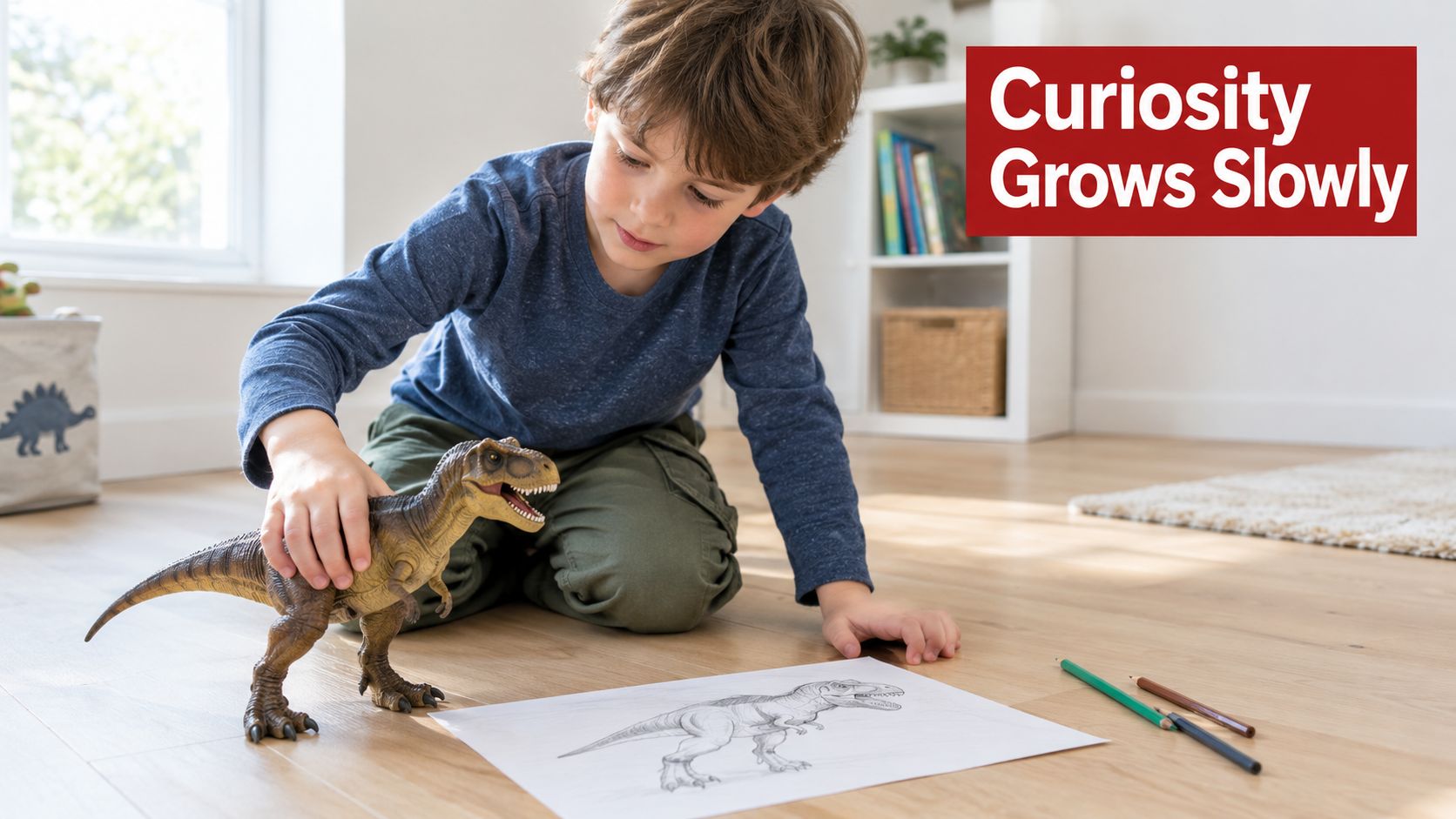
The best choice isn't necessarily the most detailed figure or the largest collection. It's the toy that helps a child ask a better question tomorrow than they asked today. That might be “What did it eat?”, “How do we know?”, “Where would it live?”, or “Can we build its skeleton again?”
Playz offers hands-on science kits, creative toys, and dinosaur-focused activities that turn excavation, construction, and imaginative play into screen-free learning opportunities. Explore Playz to find a practical activity that gives your child something to investigate, build, and explain.